Inside a Grandmaster Preparation Before a Tournament
A closer look at the intense preparation that takes place long before the first move is played.
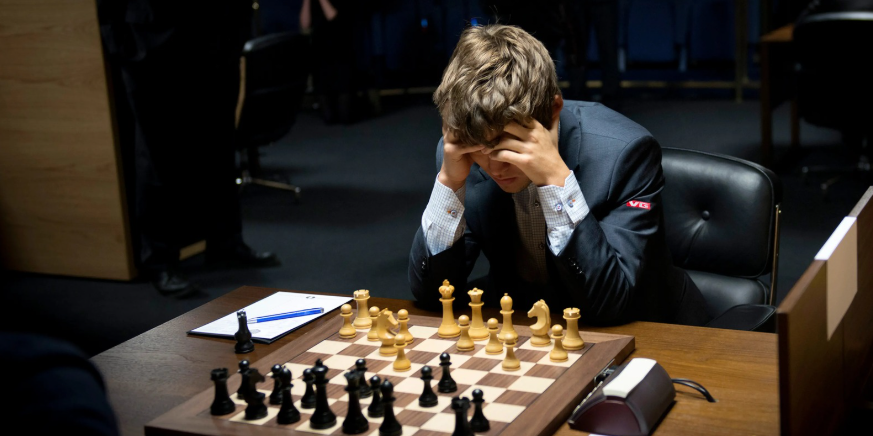
When spectators watch a top level chess tournament they see only the final performance. Two players sit across the board, the pieces are arranged, and the battle begins. What most people do not see is the enormous amount of preparation that happens long before the first move is played.
For a grandmaster, tournament preparation can begin weeks or even months in advance.
One of the most important parts of preparation is opening study. Modern chess contains an immense amount of theoretical knowledge, and elite players carefully analyze which opening systems they want to employ in a specific event. They often review recent games played by potential opponents and search for small weaknesses or unfamiliar positions that can be used as practical weapons.
Much of this work takes place with the help of powerful chess engines and large databases of historical games. These tools allow players to examine complex variations and discover new ideas that might surprise their opponents during the tournament.
However preparation is not only about memorizing moves. Strong players try to understand the typical structures that arise from their openings. They study key middle game plans, important endgames, and the strategic themes that are likely to appear.
Physical and mental conditioning also play an important role. High level tournaments often involve long games that demand sustained concentration for several hours. Many grandmasters maintain disciplined routines that include exercise, rest, and structured study sessions to ensure they remain mentally sharp throughout the event.
Another crucial element is psychological preparation. Players review their own past games to identify recurring mistakes and areas where their decision making can improve. Confidence and emotional balance can often influence the outcome of close games.
By the time a grandmaster finally sits at the board, the preparation behind that moment is enormous. The moves played during the tournament represent only the visible surface of a much deeper process of study, discipline, and strategic planning.
The audience sees the game.
The grandmaster brings months of preparation to every move.