The Online Chess Era: How the Game Moved to the Internet
From quiet chess clubs to a global digital arena - how online platforms transformed the way millions learn, play, and experience chess.
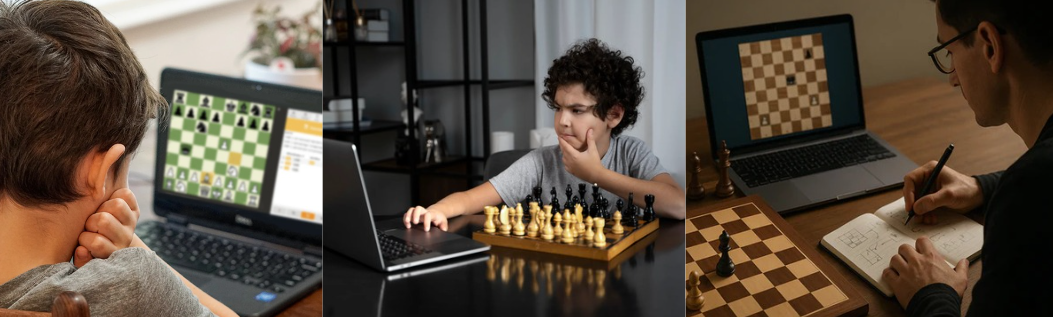
For most of its long history, chess belonged to physical spaces. The game lived in quiet clubs, tournament halls, and living rooms where wooden pieces moved slowly across carefully arranged boards. Players met face to face, the sound of a ticking clock often the only noise in the room.
Then the internet arrived, and chess entered a completely new era.
Online chess has fundamentally changed how the game is played, studied, and shared. Today a player sitting in Kolkata can instantly face an opponent in Brazil, Norway, or Japan. What once required travel and organized tournaments now happens with a single click.
This shift has made chess more accessible than ever before. Anyone with a smartphone or computer can log in and start playing within seconds. Beginners can solve puzzles, watch lessons, analyze their games with powerful engines, and compete against players of similar strength from around the world.
The speed of learning has also increased dramatically. In the past, players relied on books, magazines, and occasional coaching sessions to improve. Today, online platforms provide immediate feedback. Games can be analyzed instantly, mistakes identified, and new ideas explored within minutes.
Another major transformation is the scale of the chess community itself. Online platforms host millions of games every day. Players participate in global tournaments, join digital clubs, and interact with fellow enthusiasts across continents. Chess has become a worldwide conversation rather than a local activity.
Streaming and online content have amplified this transformation even further. Watching strong players explain their thinking in real time has made chess more engaging and approachable for newcomers. A brilliant tactic or dramatic time-scramble can now be witnessed live by thousands of viewers.
Yet despite all this change, the essence of chess remains the same. The same sixty-four squares, the same pieces, and the same battle of ideas still define the game.
What has changed is the stage.
Chess is no longer confined to tournament halls and local clubs. It now exists in a vast digital arena where players from every corner of the world meet, compete, and learn together.
The online chess era has not replaced traditional chess — it has simply opened the doors of the game to the entire world.